


Artificial Intelligence and Scrabble
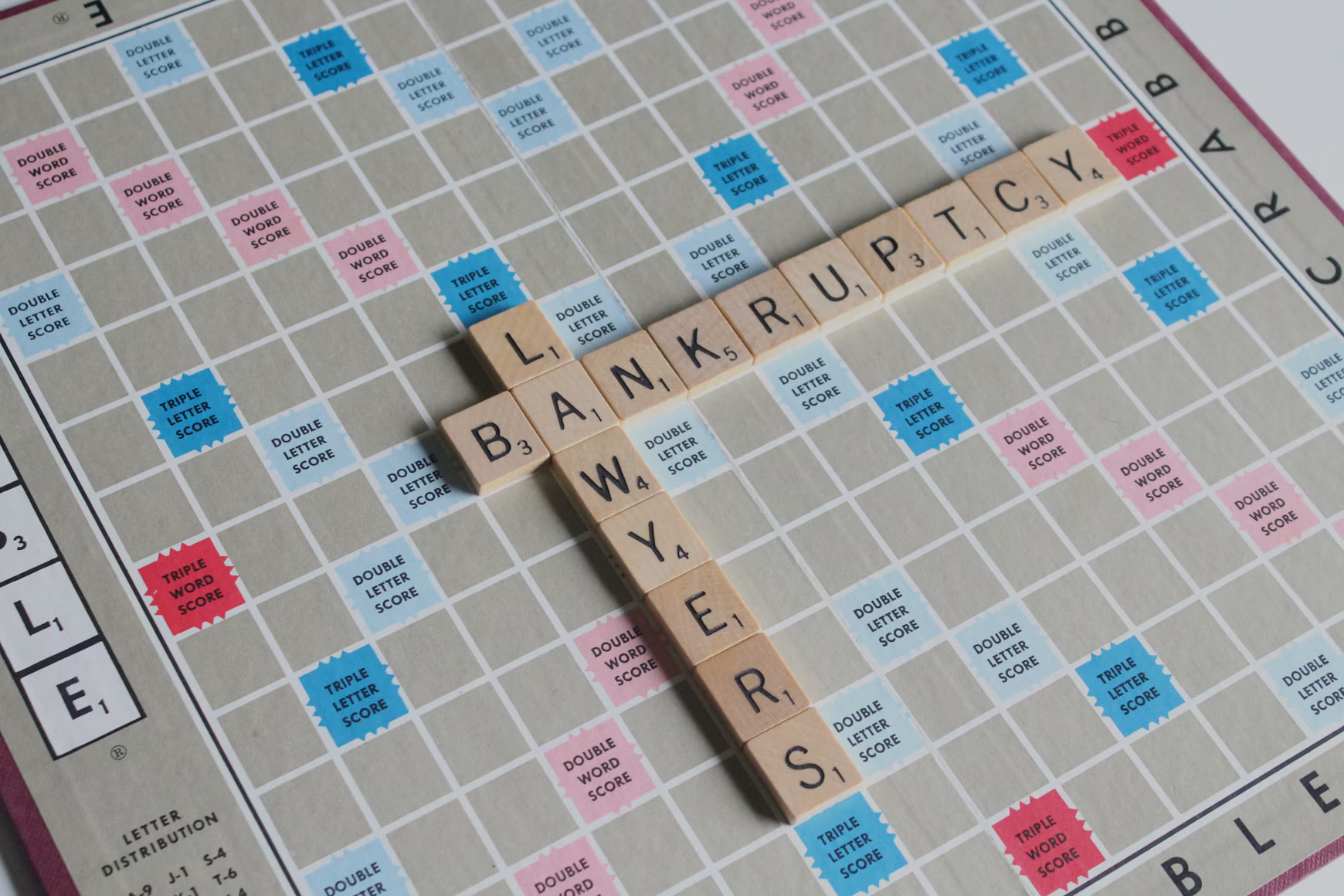
Scrabble combines combinatorial move generation, randomness, hidden information, strategic evaluation, and exact endgame search. A strong program must reason about more than the score earned by the current word.
Why Scrabble is difficult
- Large action set: A turn may have many legal words, positions, and tile assignments.
- Randomness: Replacement tiles are drawn from a bag.
- Hidden information: The opponent's rack is unknown.
- Long-term effects: A move changes the board and determines which letters remain on the player's rack.
- Changing character: The middle game is uncertain, but the endgame can become a deterministic search problem when all tiles are known.
A practical Scrabble architecture
- Generate legal moves. Dictionary structures such as a GADDAG support efficient generation of words that cross or extend existing tiles.
- Score each move. Compute the immediate board score.
- Evaluate the rack leave. Estimate the future usefulness of the letters retained after the move.
- Estimate future play. Sample plausible unseen-tile allocations and simulate continuations.
- Search exactly near the end. When the bag is empty and racks can be inferred, minimax, alpha–beta pruning, transposition tables, and iterative deepening become applicable.
Score versus equity
A move that scores 35 points but leaves an awkward collection of letters may be inferior to a 29-point move that preserves a balanced rack or creates a strong chance of playing all seven tiles on a later turn. Strong programs estimate equity: the move's total expected strategic value, not merely its immediate score.
| Component | AI method | Purpose |
|---|---|---|
| Legal words and placements | Specialized graph search | Enumerate valid actions efficiently |
| Rack leave | Learned or tabulated evaluation | Estimate future tile quality |
| Opponent rack | Inference and sampling | Represent hidden information |
| Middle game | Monte Carlo simulation | Estimate expected outcomes |
| Endgame | Minimax and alpha–beta | Find an exact best continuation |
Current systems
Quackle is an open-source crossword-game AI and analysis tool with a move generator, evaluator, simulator, lexicons, and strategy data. Macondo combines static evaluation, multicore Monte Carlo simulation, a pre-endgame solver, and exhaustive endgame search.
Scrabble shows why one agent may need several search methods. Efficient symbolic move generation handles legality; learned or tabulated values provide heuristic judgment; simulation manages uncertainty; and classical adversarial search solves late-game positions.